- All
- Product Name
- Product Keyword
- Product Model
- Product Summary
- Product Description
- Multi Field Search
Views: 0 Author: Site Editor Publish Time: 2025-10-11 Origin: Site


Choosing the right anchor chain size is crucial for boat safety. A mismatched chain can compromise stability, leading to dangerous situations. In this article, we'll explore the factors influencing anchor chain selection for a 44 lb anchor, ensuring secure anchoring and peace of mind on the water.
Anchor chains come in various grades and materials, each affecting performance and durability. The grade indicates the chain's tensile strength. Higher grades mean stronger chains, able to handle more stress without breaking. For example, Grade 40 chains are stronger than Grade 30, offering over 25% more strength, which is crucial for heavy anchors like a 44 lb one.
Materials mainly include galvanized steel and stainless steel. Galvanized chains have a zinc coating that protects against rust and corrosion, making them popular for saltwater use. Stainless steel chains resist corrosion even better and have a polished look, but they cost more. Choosing between these depends on budget, maintenance willingness, and aesthetic preference.
Chain diameter, measured in millimeters or inches, directly impacts strength and weight. A thicker chain has a higher breaking load and better abrasion resistance. For a 44 lb anchor, common chain diameters range from 7mm to 10mm, depending on the boat's size and expected conditions.
The chain diameter must balance strength and manageability. Too thin risks failure under load; too thick adds unnecessary weight, affecting boat handling and windlass capacity. For instance, a 10mm chain often suits boats around 30 to 40 feet using a 44 lb anchor, providing ample strength without excessive weight.
The chain's breaking strength should align with the anchor's holding power and the forces from wind, current, and waves. Always check manufacturer specs for minimum breaking loads.
Note: Always match your anchor chain's grade and diameter to your boat's size and anchor weight to ensure reliable holding and safety.
Selecting the right anchor chain size involves several key factors. These elements ensure your 44 lb anchor performs well and keeps your boat safe.
The size and weight of your boat play a major role. Larger, heavier boats need thicker, stronger chains. For example, a 30-foot boat carrying a 44 lb anchor typically uses a chain diameter around 10mm. Smaller boats might manage with 7mm or 8mm chains. The chain must handle forces from wind, waves, and currents acting on your boat.
Different anchor types have varying holding powers. A Rocna anchor, known for strong holding, might allow a slightly smaller chain diameter compared to a traditional fluke anchor of the same weight. This is because the anchor's efficiency reduces the load on the chain. However, always check manufacturer recommendations based on anchor type to avoid undersizing.
Scope is the ratio of anchor rode length to water depth. A typical scope for safe anchoring is about 7:1, meaning seven feet of rode for every foot of depth. This ratio helps keep the chain low and horizontal on the seabed, improving holding power and reducing strain. Using a combination of chain and nylon rope (rode) is common. The chain portion provides weight and abrasion resistance; the nylon adds elasticity and shock absorption.
Chain grade indicates tensile strength. Higher grades like Grade 40 or Grade 70 offer more strength per diameter. This means you can use a thinner chain without sacrificing safety, reducing weight and making handling easier. For a 44 lb anchor, Grade 40 is a solid choice, balancing strength and cost. Grade 70 is stronger but more expensive and often used for larger vessels.
Choosing between galvanized and stainless steel anchor chains is key for durability and performance. Each material offers unique benefits and trade-offs, especially for a 44 lb anchor.
Galvanized chains have a zinc coating that protects steel from rust and corrosion. This makes them popular for saltwater boating, where exposure to salt accelerates corrosion. The zinc layer acts as a sacrificial barrier, slowly wearing away but keeping the steel underneath safe for longer periods.
● Cost-effective choice for most recreational boats
● Reliable corrosion resistance in harsh marine conditions
● Durable under heavy loads, suitable for a 44 lb anchor and typical boat sizes
● Easier to maintain with periodic inspections and re-galvanizing possible
However, the zinc coating can wear off over time, especially where chain links rub together. Regular checks help spot thinning coatings early.
Stainless steel chains resist corrosion better than galvanized ones, thanks to their chromium content forming a protective oxide layer. This makes them ideal for boat owners who want both performance and a polished look.
● Superior corrosion resistance, especially in fresh or brackish water
● Shiny, attractive finish that stays bright with minimal upkeep
● Longer lifespan in many conditions, reducing replacement frequency
● Smooth surface helps prevent fouling and tangling
The downside is cost. Stainless steel chains are significantly more expensive, which might not fit every budget. They also tend to be heavier per unit length, potentially impacting windlass capacity and handling.
When deciding, weigh initial cost against maintenance and longevity. Galvanized chains cost less upfront but may require more upkeep and eventual replacement. Stainless steel costs more initially but can save time and money on maintenance long term.
Maintenance tips for both include:
● Rinse with fresh water after saltwater use
● Inspect regularly for corrosion or wear
● Lubricate links occasionally to reduce friction and rust
● Store chains properly to avoid damage and tangling
For a 44 lb anchor, galvanized chains often provide the best balance of strength, corrosion resistance, and price for most boaters. Stainless steel suits those who prioritize appearance and low maintenance, especially on smaller boats or where aesthetics matter.
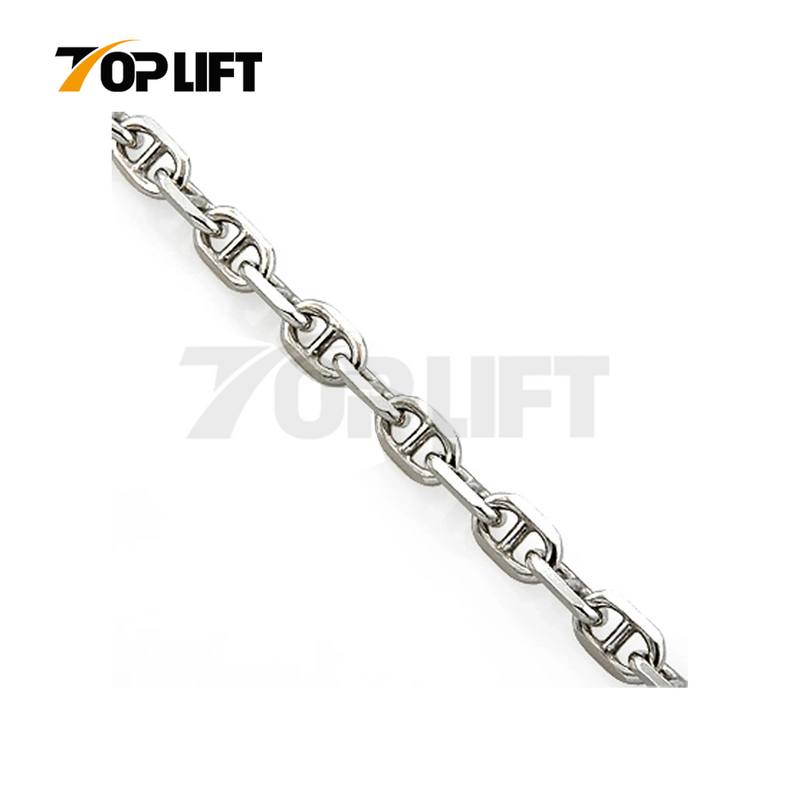
Choosing the right chain length is key for safe anchoring. The length depends mainly on water depth and your boat's size. A good rule is using a scope ratio — the length of the rode (chain plus rope) to the water depth. Typically, a scope of 7:1 or 8:1 works well. For example, anchoring in 10 feet of water means you need 70 to 80 feet of rode.
Longer scopes keep the chain low and horizontal on the seabed, improving anchor holding power and reducing strain on the boat. Short scopes risk the anchor dragging or the rode pulling at a steep angle, which can dislodge the anchor.
Boat size matters too. Bigger boats face stronger forces from wind and waves, so they need longer rodes to absorb shocks and maintain stability. For a 44 lb anchor on a medium-sized boat (around 30-40 feet), 70 to 100 feet of chain and rope combined is typical, depending on anchoring conditions.
Your windlass capacity limits how much chain you can manage easily. If the chain is too heavy or long for your windlass, handling it becomes tough and unsafe. Windlasses have maximum chain diameters and load ratings. Match chain size and length to your windlass specs.
For example, a 10mm Grade 40 chain is common for a 44 lb anchor on a 30-foot boat. Your windlass must handle this diameter and the chain’s weight over the length you carry. Always check the windlass manual for max chain size and weight.
If your windlass can't handle all-chain rode, consider a combination: shorter chain plus nylon rope. This reduces weight and makes retrieval easier, while still providing good holding power.
Adding nylon rope to the rode improves elasticity and shock absorption. Chain alone is rigid and transmits shocks directly to the boat, which can strain fittings and gear. Nylon stretches slightly under load, softening jerks from waves or gusts.
A common setup uses 30-50% chain length followed by nylon rope. For instance, 50 feet of chain plus 50 feet of nylon rope for 100 feet total rode. The chain portion provides weight and abrasion resistance near the anchor. The nylon portion adds stretch and flexibility.
Nylon also helps reduce noise and wear on the windlass and deck fittings. However, it’s less abrasion-resistant than chain, so keep nylon away from rocky or sharp bottoms.
Proper care of your anchor chain keeps it strong and reliable. Neglecting maintenance risks corrosion, wear, and potential failure when you need it most. Here’s how to maintain your chain effectively:
Check your chain often, especially after heavy use or rough conditions. Focus on:
● Rust spots or pitting on links
● Cracks or deformation in links
● Excessive wear where links rub each other
● Corrosion near connecting shackles or swivels
Early detection helps avoid dangerous failures. Replace any compromised links immediately.
Saltwater speeds up corrosion. After anchoring in saltwater, thoroughly rinse the chain with fresh water to remove salt deposits. For galvanized chains, this keeps the zinc coating intact longer. Stainless steel chains also benefit from rinsing to reduce salt buildup.
Occasionally apply a marine-grade lubricant to chain links. Lubrication reduces friction, prevents rust, and helps the chain move smoothly through the windlass and around fittings. Avoid heavy greases that attract dirt; use light, water-resistant sprays or oils designed for marine use.
Store your chain in a dry, well-ventilated area when not in use. Avoid leaving it wet and coiled tightly for long periods, which can trap moisture and cause rust.
Coil the chain neatly to prevent kinks and tangles. Untangle knots before storage to reduce stress on links. Keep the chain away from chemicals or sharp objects that could damage the metal or coating.
If possible, store the chain off the ground on a rack or in a dedicated locker to improve airflow and keep it dry.
Choosing the right anchor chain size for a 44 lb anchor is essential, but many boaters make mistakes that compromise safety and performance. Avoid these common pitfalls to ensure your anchoring system works well.
One of the biggest errors is picking a chain too small for your anchor. A 44 lb anchor requires a chain strong enough to handle its holding power and the forces from wind and waves. Using a chain with a smaller diameter or lower grade than recommended risks failure under load. For example, a 10mm Grade 40 chain usually suits a 44 lb anchor on a medium-sized boat. Using a thinner chain might save weight but can dangerously reduce strength.
Always match the chain's breaking strength to or above the anchor’s rated holding power. Check manufacturer specs for both anchor and chain to avoid undersizing.
Another mistake is ignoring your boat’s length and the necessary chain length. The chain length affects scope—the ratio of rode length to water depth—which is critical for holding power. Too short a chain means poor scope, causing the anchor to drag or lose grip.
For a 44 lb anchor, typical scope is about 7:1 or 8:1. If anchoring in 10 feet of water, you need at least 70 to 80 feet of rode (chain plus rope). Larger boats require longer rodes to absorb forces from waves and wind. Failing to calculate this properly risks dragging and unsafe anchoring.
Chain grade affects strength and durability. Many choose Grade 30 chains for cost reasons but miss out on the extra strength of Grade 40 or Grade 70 chains. A higher-grade chain can be thinner yet stronger, saving weight and making handling easier.
Ignoring chain grade leads to heavier chains or unsafe setups. For a 44 lb anchor, Grade 40 is a good balance between strength and cost. Skimping on grade to save money can cost more in the long run if the chain fails.
● Ignoring windlass capacity: Using a chain too heavy or thick for your windlass causes mechanical issues.
● Mixing incompatible rope and chain sizes: The rope splice must fit the chain links properly to avoid weak points.
● Neglecting maintenance: Poor upkeep leads to corrosion and weakened links, risking failure.
Selecting the right anchor chain size for a 44 lb anchor involves considering factors like chain grade, diameter, and material. Ensuring safe anchoring practices means matching the chain's specifications to your boat's size, anchor weight, and windlass capacity. For reliable anchoring, consider products from TOP LIFT, which offer durable chains with unique benefits. Their chains provide excellent corrosion resistance and strength, ensuring effective and safe anchoring for various boating needs.
A: An anchor chain connects the anchor to the boat, ensuring stability and security. For a 44 lb anchor, the chain must be strong enough to handle environmental forces, preventing the anchor from dragging.
A: Consider your boat's length, weight, and the anchor type. A 44 lb anchor typically needs a 10mm chain diameter for boats around 30-40 feet, ensuring adequate strength and manageability.
A: Galvanized steel is cost-effective and provides excellent corrosion resistance in saltwater, making it ideal for most recreational boating needs compared to the more expensive stainless steel.
A: Anchor chain costs vary based on material and grade. Galvanized chains are generally cheaper than stainless steel, with prices influenced by chain length and diameter.
A: Regularly inspect for wear, rinse with fresh water post-use, and apply marine-grade lubricant to prevent corrosion and ensure smooth operation.