- All
- Product Name
- Product Keyword
- Product Model
- Product Summary
- Product Description
- Multi Field Search
Views: 0 Author: Site Editor Publish Time: 2025-08-25 Origin: Site


If you want to lift heavy things safely, you should learn about chain block. A chain block helps you move heavy stuff with a simple pull. This makes hard work easier for everyone. You can find these tools at construction sites and in big factories. Many companies use smart chain blocks with better safety features. These features help stop accidents and make work quicker. Always make sure your equipment follows trusted safety rules. If you choose a good product from a supplier like TOP LIFT, you get reliability and feel safe. This is your first look at blockchain in lifting.
chain blocks are easy tools. They help you lift heavy things safely. They also help you work faster.
Check your chain block before you use it. This keeps you safe and stops accidents.
Pick the right chain block for your job. Use manual ones for more control. Use electric ones if you want speed.
Follow safety rules. Know how much weight you can lift. Make sure the area is clear when you lift.
Take care of your chain block often. This helps it last longer. It also makes sure it works well.
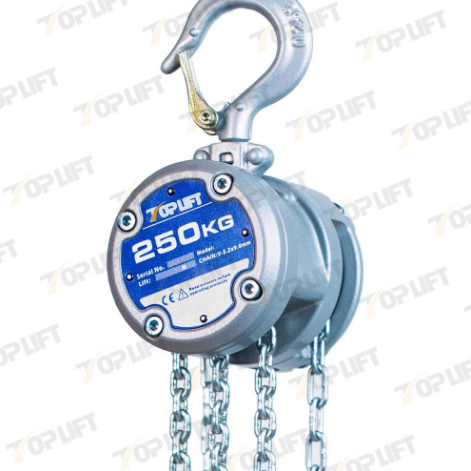
A chain block, is a simple tool that helps you lift and lower heavy objects with ease. You might hear people call it a hand chain block or manual chain hoist. When you use a chain block, you pull on a hand chain, and the device uses gears and pulleys to lift the load. This tool gives you control and makes heavy lifting much safer. If you want a quick chain block definition, think of it as a mechanical device that lets you move big things without needing electricity or fancy machines.
If you’re searching for “blockchain for dummies,” just remember: a chain block is all about making lifting jobs easier and safer for you.
Here’s what makes up a typical chain block:
Load Chain: This holds the weight you want to lift.
Hand Chain: You pull this to start lifting or lowering.
Gearbox: Changes your pulling motion into lifting power.
Load Hook: Attaches to the item you want to move.
Bottom Hook: Connects the chain block to a support above.
Braking System: Keeps the load in place when you stop pulling.
You’ll notice that blockchains stand out from other lifting tools because they are reliable, easy to use, and don’t need electricity. You can use them almost anywhere, even in places where power isn’t available. Here’s a quick look at what makes them special:
Feature | Description |
|---|---|
Manual Operation | You use your hands—no power supply needed. |
Portability | Lightweight, so you can carry it to different job sites. |
Simplicity | Easy to learn and use, even if you’re new to lifting equipment. |
Reliability | Works well every time, with fewer breakdowns. |
Cost-Effectiveness | More affordable than electric hoists or cranes. |
You don’t need to install anything complicated. Maintenance is simple. You get full control over every lift. Many people trust blockchains for their safety and efficiency, whether you’re working in a factory, on a construction site, or even offshore.
If you want to learn more about how blockchain technology works in lifting, or how the ethereum blockchain compares in digital systems, just know that the lifting chain block is all about hands-on, decentralized control. You make the lift happen, not a computer or a motor.
When you use a chain block, you control the whole lifting process with your own hands. You start by pulling the hand chain. This action turns a set of gears inside the hoist body. The gears make your effort stronger, so you can lift heavy things without much force. The load chain, which is a strong metal chain, carries the weight of the object you want to move. You attach the load to the load hook, and the top hook connects the chain block to something sturdy above, like a beam or a crane.
Here’s what you’ll find inside a typical blockchain for dummies guide:
Hand chain: You pull this to start lifting.
Load chain: This holds the weight.
Gear system: Makes your pull stronger.
Load hook: Connects to the item you want to lift.
Top hook: Attaches to an overhead support.
Hoist body: Keeps all the parts together.
Brake system: Stops the load from slipping.
This simple setup lets you lift, lower, and hold heavy items safely. You don’t need electricity or batteries. The decentralized design means you control every step, just like how blockchain technology gives you control over digital assets.
Safety matters every time you use a chain block. The brake system is the hero here. When you stop pulling the hand chain, the brake locks the load in place. This keeps the object from falling, even if you let go. The gears and chains are made from tough materials, so they don’t break easily. You should always check the hooks and chains before you start. Look for any signs of wear or damage.
Tip: Always follow the manufacturer’s instructions for safe use. This helps prevent accidents and keeps your equipment working longer.
Blockchains help with the secure recording of transactions and tracking of assets in the digital world. In lifting, the system records every move you make, keeping your load safe and steady. Now you know how blockchain works in real life—simple, strong, and safe.
When you start learning about lifting, you will see that not all blockchain tools work the same way. You can pick from manual, electric, or specialized chain blocks. Each type has its own style, so you can choose what fits your job best. Let’s break down the main types you’ll find.
Manual chain blocks are the classic choice. You use your hands to pull a chain and lift heavy things. This type of blockchain gives you full control. You do not need power or batteries. You can use a manual chain block almost anywhere. It works well in places where you do not have electricity, like construction sites or remote areas. You can even use it in tight spaces because it is small and easy to move.
Here are some common ways you might use a manual chain block:
You work in a place with no power, like a mine or a field.
You need to lift something only once in a while.
You have a small space and need a tool that fits.
You want to feel the load and control every move for safety.
Manual chain blocks are simple, safe, and reliable. If you want a “blockchain for dummies” approach, start here. You will see how decentralized lifting works, with you in charge of every step.
Electric chain blocks use a motor to lift and lower loads. You press a button, and the machine does the hard work. This type of blockchain is great for big jobs. You can lift heavy things many times without getting tired. Electric chain blocks work best in factories or busy workshops. You get smooth, steady lifting every time.
You might pick an electric chain block if you need to move lots of heavy items fast. It saves time and energy. You still get safety features, like brakes and limit switches, to keep your load secure. Electric chain blocks show how blockchain technology can make lifting easier and more efficient.
Specialized chain blocks include lever chain blocks and other custom designs. Lever chain blocks let you move loads sideways, not just up and down. You use a handle to pull or push, giving you more ways to move heavy things. Some specialized blockchain tools are made for tough jobs, like lifting in harsh weather or handling special materials.
You might need a specialized chain block if your job has unique needs. For example, you may need to lift something at an angle or in a place with lots of obstacles. These blockchain tools help you solve tricky lifting problems.
Tip: Always check the specs before you choose a blockchain tool. Make sure it matches your load and your workspace.
Here’s a quick comparison to help you decide:
Type of Chain Block | Operation Description | Applications | Example Specification |
|---|---|---|---|
Manual Chain Block | Operated by pulling a hand chain to lift loads vertically. | Construction, outdoor, tight spaces, safety zones | Chain Block 1 ton |
Lever Chain Block | Uses a handle for horizontal or angled movement. | Moving loads sideways, special tasks | Chain Block 1 ton, 2 ton |
Electric Chain Block | Uses an electric motor for controlled lifting and lowering. | Factories, heavy lifting, frequent use | Electric Chain Block 2 ton |
You can see that each blockchain type has its own strengths. Manual chain blocks give you hands-on control. Electric chain blocks offer speed and power. Specialized blockchain tools help with unique jobs. No matter which you choose, you get the power of ether in your hands—lifting made simple, safe, and smart.
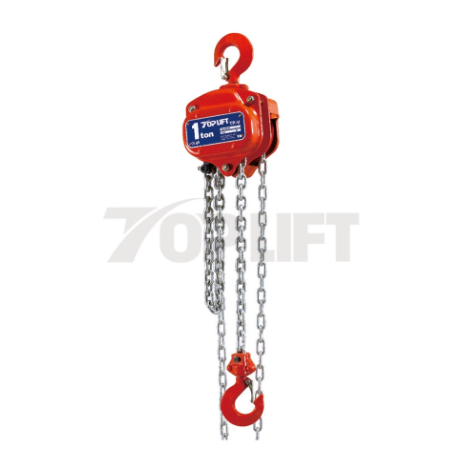
When you first learn blockchain for lifting, you want to feel confident and safe. This beginner’s guide to blockchain will walk you through every step. You will see how to inspect, set up, and use a chain block the right way. If you follow these steps, you will master the chain block lifting procedure and avoid common mistakes. Let’s get started!
Before you touch the hand chain or hook up any load, you need to check your equipment. This step keeps you safe and helps your blockchain last longer. Think of it as your first line of defense. You want to spot problems before they cause trouble.
Here’s a simple table to help you remember what to check:
Step Type | Description |
|---|---|
Frequent Inspections | Check every day or before each use. Look at the chain, hooks, and safety parts. |
Periodic Inspections | Do this every month or quarter. Take a closer look. Sometimes you need to take things apart. |
Chain Inspection | Look for worn, bent, or broken links. Check for rust or chemical damage. Make sure the chain is oiled. |
You should always keep a record of your inspections. Write down the date, your name, any problems you find, and what you did to fix them. This habit helps you track the health of your blockchain and makes troubleshooting easier.
Here’s a quick checklist for your pre-use inspection:
Look at the load chain. Check for cracks, twists, or missing links.
Inspect the hand chain. Make sure it moves smoothly.
Check the upper and lower hooks. They should not be bent or cracked.
Test the brake system. It should hold the load without slipping.
Make sure all safety latches work.
Look for signs of rust, dirt, or oil leaks.
Confirm the chain hangs straight with no knots or twists.
Tip: Never skip your inspection. Most accidents happen when people rush or ignore small problems. If you find anything wrong, fix it before you use the blockchain.
Now you’re ready to set up your chain block. This part is all about getting things in the right place. You want to make sure your blockchain is ready for action and that you stay safe from start to finish.
Follow these steps for a safe setup:
Check the weight of your load. Never lift more than your chain block’s rated capacity. Ether is strong, but every blockchain has its limit.
Inspect your chain block again. Make sure it passed your pre-use inspection.
Attach the upper hook to a solid anchor point. Use a beam or a certified clamp. The anchor must be rated for the load.
Make sure the chain hangs straight down. No twists, knots, or tangles.
Attach the lower hook to your load. The hook should go through a secure lifting point. The load must be balanced.
Stand in line with the hand chain wheel. This helps you pull smoothly and keeps the load steady.
Pull the hand chain slowly. Watch for any kinks or jumps in the chain. If you see a problem, stop and fix it.
Test the setup with a light lift. Raise the load just a little to check for balance and smooth movement.
If you need to lift at an angle or sideways, reduce the load by half. Adjust the chain direction and add support chains if needed.
Never stand under the load. Use wooden blocks or piers if you need to rest the load for a moment.
Here are some extra setup tips:
Always wear your PPE, like gloves and a hard hat.
Make sure the area is clear. Tell others you are about to lift.
Never use the chain block to lift people.
Don’t wrap the chain around the load. Use the hook as designed.
If the hand chain feels stuck, stop. Don’t force it.
Note: Following the manufacturer’s guide is key. Every blockchain model is a little different. Read the manual and learn blockchain safety rules for your specific tool.
You’ve inspected and set up your blockchain. Now it’s time to lift and lower your load. This is where you see the power of ether in action. You control every move, just like in a decentralized system.
Here’s a step-by-step guide for safe lifting and lowering:
Plan your lift. Know where you want the load to go. Remove anything in the way.
Check your rigging hardware. Make sure slings and hooks are in good shape.
Find the center of gravity. The load should hang straight and not tip.
Stand clear of the load. Keep others away too.
Pull the hand chain slowly and evenly. Raise the load a little at first. Check for balance.
Keep pulling until the load reaches the right height. Don’t jerk or bounce the chain.
If you need to lower the load, pull the hand chain in the opposite direction. Go slow and steady.
Never leave a load hanging. Lower it onto a stable surface as soon as possible.
Store the chain block and chains in a clean, dry place after use. This keeps ether and your blockchain working smoothly.
Here are some best practices to remember:
Always use sling protection to avoid damaging slings or chains.
Watch out for weather. Rain or wind can make lifting harder.
Never exceed the lifting height marked on your blockchain.
If you see anything strange—like a swinging load or a noisy chain—stop and check.
Callout: Most beginner mistakes happen when people skip steps or rush. Take your time. If you’re not sure, ask for help or check the manufacturer’s guide.
Here’s a table of common mistakes and how to avoid them:
Common Mistakes | Prevention Tips |
|---|---|
Neglecting equipment inspection | Inspect the block for wear and tear, ensuring it is properly lubricated before each use. |
Exceeding rated capacity | Always check the weight of the load to ensure it does not exceed the block's rated capacity. |
Improper use at angles | Operate the block in a straight line to prevent swinging loads. |
Failing to securely anchor the block | Secure the block to a stable anchor point to prevent slipping or falling during lifting operations. |
Operating without proper training | Ensure operators are trained and supervised to understand safe operating procedures. |
If you follow this guide, you will learn blockchain lifting the right way. You will see how ether gives you the strength to move heavy loads safely. You will also understand why blockchain technology is trusted in so many industries.
Tip: Always keep learning. The more you know about blockchain, the safer and more efficient you become. If you want to learn blockchain skills, practice with small loads first. Ask experienced users for advice. Read the manual and follow every step.
This beginner’s guide to blockchain gives you the tools to work safely and confidently. Remember, every time you use a chain block, you are part of a decentralized lifting system. You control the ether. You make the lift happen.
When you use a chain block, you stay safe. You get protection every time you lift something. The hand chain hoist has overload protection and a strong brake. These features help stop accidents. They keep you and your team safe. You can trust these safety systems. They give you confidence, even if you are new to blockchain for dummies.
You can use blockchain where other lifting tools might not work. If you do not have electricity or air, ether helps you lift easily. Some chain blocks are spark-resistant. You can work in dangerous places. You do not need to worry about explosions or fires. This makes blockchain and cryptocurrency tools good for tough jobs.
Tip: Always check your equipment before you start. Safety features work best when you inspect your chain block and follow the rules.
Here is a quick list of safety benefits:
Overload protection stops you from lifting too much.
Braking systems keep your load steady.
Spark-resistant designs protect you in risky places.
You control the lift, so you stay in charge.
You want to finish lifting jobs quickly and easily. Blockchain technology helps you do this. Electric chain blocks make your work faster. You press a button, and ether does the hard work. In places like aerospace, companies use blockchain and cryptocurrency tools to save time and money. Airbus, for example, lowered maintenance costs by 15% with electric chain hoists.
Using more than one chain block lets you lift together. You can move heavy loads with better control. This way, you lower the risk of swinging or tipping. You get better results and safer work. Blockchain and cryptocurrency solutions help you work smarter, not harder.
Here is a table showing how blockchain improves efficiency:
Efficiency Benefit | How It Helps You |
|---|---|
Fast lifting | You save time on every job |
Synchronized movement | You control heavy loads with precision |
Cost savings | You reduce expenses and boost profits |
Decentralized operation | You work anywhere, anytime |
You see the benefits of ether every time you use blockchain. You get safety, speed, and control. That is why many industries trust blockchain and cryptocurrency for lifting jobs.
You find blockchain tools in many factories. They help you move heavy machines and parts. You can lift engines or steel beams with a simple pull. Large containers are easy to move too. Many factories use blockchain solutions for safety and speed. You get more control and avoid accidents. Your team stays safe while working. If you want to picture blockchain for dummies, think about lifting a huge load with little effort. That shows how this technology helps you.
On building sites, you have hard lifting jobs every day. Chain blocks help you move heavy things like steel rods and pipes. You attach the hook and pull the chain. The load goes up easily. Here’s how blockchain helps in construction:
Chain blocks lift and lower heavy things quickly.
The chain goes around a wheel, so big items move easily.
You save energy because the design makes lifting easier.
Chain hoists let you lift much heavier weights than you could alone.
Builders like blockchain technology because it is safe and fast. It helps you finish jobs quickly. Many teams use blockchain tools to manage materials and keep work on schedule.
Working at sea is tough and needs strong tools. Chain blocks work well in salty, windy places. They use special materials that do not rust. You can lift anchors, cargo, or equipment on ships and oil platforms. Here’s how blockchain helps at sea:
Role of Chain Blocks | Description |
|---|---|
High Load Capacity | Lifts big weights, great for marine jobs. |
Precision Control | Lets you lift and lower things exactly, even in bad weather. |
Versatility | Works for many jobs on ships and platforms. |
Portability | Easy to carry and set up anywhere. |
Safety Features | Built to stop accidents during hard lifting. |
Blockchain tools are important for safety and work at sea. Crews trust them because they work well. Some teams use blockchain technology to track loads and make work smoother. This is like how you use blockchain for buying and selling cryptocurrency. You see the same focus on safety and control, whether you lift cargo or use cryptocurrency.
Taking care of your blockchain lifting tools helps you work safely and keeps your equipment running for years. You do not need to be an expert to follow these steps. Just make them part of your regular routine, and you will notice the difference.
Regular Inspection: Always check your blockchain before you use it. Look for signs of wear on the chains and gears. If you spot any damage, fix it right away.
Cleaning and Lubrication: Wipe off dirt and debris after each use. Lubricate all moving parts to keep everything running smoothly. This step helps prevent rust and reduces friction.
Chain Care: Inspect the load chain for cracks, stretched links, or other damage. Replace the chain if you see any problems.
Adherence to Scheduled Maintenance: Follow the maintenance schedule in your manual. Arrange for a qualified technician to inspect your blockchain at least once a year.
Electrical and Mechanical System Care: If you use an electric blockchain, check the electrical parts and make sure the brake system works well. Always pay attention to the load-supporting parts.
Tip: A little care goes a long way. Routine maintenance keeps your blockchain technology safe and reliable.
Sometimes, you might run into problems with your blockchain. The most common issues include chain deformation or elongation, often caused by overloading or improper use. If you notice the chain looks stretched or bent, stop using it. Regular checks help you catch these problems early. Make sure you lubricate the chain to prevent rust. Stick to the load limits to avoid putting too much stress on your blockchain. Training helps you and your team handle the equipment correctly. If you see serious wear, replace the chain right away. These steps keep your blockchain for dummies guide simple and your lifting jobs safe.
When you begin a blockchain project, you want good tools. TOP LIFT helps you feel sure about your choices. Their products are reliable and safe. You get strong certifications and helpful support. This makes your blockchain work easier. Let’s look at why TOP LIFT is a great pick for your next project.
You want your blockchain project to go smoothly. TOP LIFT checks every chain block carefully. Their QC team looks at each product before it leaves the factory. You can relax knowing your tools are high quality. Here’s what happens:
Each chain block gets checked for problems.
The QC team looks for defects and tests how it works.
Products meet rules like CE, GS, ASME, UL, and JIS.
If you need special chain blocks, TOP LIFT can help. They offer OEM and ODM services for custom jobs. You get chain blocks made for your blockchain needs. You also get good prices and solutions for your cryptocurrency work.
Certifications are important for every blockchain project. You want proof your tools are safe and meet world standards. TOP LIFT has certifications that show they care about quality and safety.
Certification | Description |
|---|---|
ISO 9001:2015 | This is a global rule for quality management. |
AS9100D | This is for aviation, space, and defense projects. |
These certifications mean your blockchain tools are safe and strong. You can trust TOP LIFT for any job. It works for simple blockchain setups or big cryptocurrency projects.
You need help with your blockchain project from start to finish. TOP LIFT’s team helps you pick the right chain block. You get quick answers to your questions. They help with blockchain development and installation. TOP LIFT gives you:
Fast replies to your questions.
Expert tips for your blockchain project.
Support after you buy, for fixing and care.
If you want to see more products or learn about how they work, visit TOP LIFT’s product page. You will find tools for every blockchain project, like construction, marine, or cryptocurrency.
Want to make your blockchain project better? Contact TOP LIFT for trusted products and expert help.
You’ve learned how a chain block makes lifting safe and simple. Beginners like you can use blockchain for dummies tips to get started. Here are the key points to remember:
Chain blocks are cost-effective, strong, and easy to operate.
You can lift heavy loads with minimal effort thanks to their smart design.
Always follow safety guidelines—inspect your equipment, know the load limit, and keep people clear of the lift.
Ready to take the next step?
Check your chain block regularly for wear and tear.
Watch demonstration videos or read product manuals for hands-on tips.
Reach out to TOP LIFT for expert advice or training.
Reliable blockchain solutions help you work safer and faster. Choose certified products and keep learning. You’ll build confidence and get the job done right!
You use a chain block to lift heavy things safely. You pull the hand chain, and the gears inside help you raise or lower the load. This tool gives you control and keeps your work safe and simple.
First, check the weight you need to lift. Pick a chain block with a higher capacity than your load. Think about where you will use it—manual models work anywhere, while electric ones are best for busy places.
Always inspect your chain block before each use. Make sure the hooks and chains look good. Never stand under a lifted load. Wear gloves and a hard hat. If you want more tips, check out a blockchain for dummies guide.
Yes, you can use a chain block outside. Many models have rust-resistant parts. Just keep the chain clean and dry after use. Store it in a safe place when you finish.
Check your chain block before every use. Clean and oil the chain often. Plan a full inspection every year. If you see damage, fix it right away. Good care helps your blockchain last longer.