- All
- Product Name
- Product Keyword
- Product Model
- Product Summary
- Product Description
- Multi Field Search
Views: 0 Author: Site Editor Publish Time: 2025-09-15 Origin: Site


Are you looking for a reliable way to lift heavy objects with precision and ease? A chain block could be the solution you need. This manual hoist is designed to amplify the force exerted by the operator, making lifting safer and more efficient.
In this article, we’ll dive into the functionality of a chain block, its key components, and its many applications across different industries. By the end, you'll know exactly how to choose the right chain block for your lifting needs, ensuring safety and optimal performance.
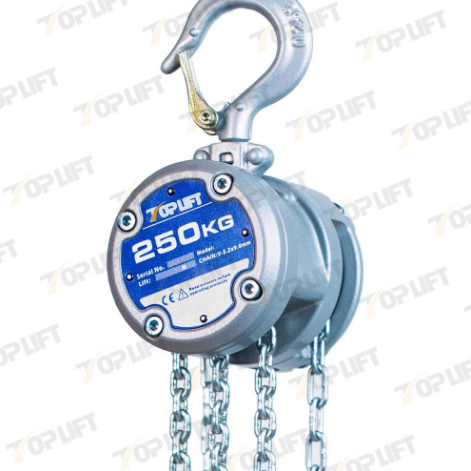
A chain block, often referred to as a manual hoist, is a mechanical device designed to lift heavy loads. The device works through a system of chains and gears to create a mechanical advantage, allowing the operator to lift loads much heavier than they could manually. There are two main components: the load chain, which holds the load, and the hand chain, which is manually pulled by the operator to control the lifting mechanism.
Unlike electric hoists, chain blocks do not require electricity, making them ideal for use in areas where power is unavailable. Their simple design, ease of use, and low cost make them a practical and widely used tool for various lifting tasks in different environments.
The operation of a chain block is relatively simple yet effective. Here’s a step-by-step explanation:
1. Attach the Load: The load is hooked onto the lifting hook at the end of the load chain. This hook is designed to securely attach to the load, ensuring it remains safe during lifting.
2. Pull the Hand Chain: The operator pulls the hand chain, which engages the internal gears of the chain block. This starts the lifting process by turning the gears.
3. Lift the Load: The gears drive the load chain, tightening it and lifting the load off the ground. The load chain transfers the mechanical power from the gears to the load, effectively raising it.
4. Control the Lift: The hand chain allows the operator to control the speed and height of the lift, providing a precise and safe operation. This feature is especially important when handling delicate or oversized loads.
This simple mechanism provides a high mechanical advantage, allowing the operator to lift large and heavy objects with minimal physical effort, making it an efficient tool for manual lifting.
A chain block’s effectiveness lies in its key components, which work together to ensure efficient and safe lifting operations:
· Load Chain: The chain that holds and bears the weight of the load. It is typically made from high-strength steel, designed to withstand significant strain and prevent failure under heavy loads.
· Hand Chain: The chain that the operator uses to control the lifting action. By pulling the hand chain, the operator engages the gears and drives the load chain to lift the load.
· Lifting Hook: A hook attached to the load chain used to secure the load while lifting. It is designed to provide a strong, stable connection to prevent accidental detachment.
· Gears and Sprockets: These components transfer the force applied by the operator through the hand chain, amplifying the lifting power. The gears increase the force applied to the load chain, making lifting easier.
· Pawl: A safety feature that prevents the load from descending unexpectedly. The pawl engages with the gears to ensure that the load remains suspended when the hand chain is released.
· Braking System: The braking system holds the load in place once it has been lifted to the desired height. It prevents the load from slipping or lowering unintentionally.
In the construction industry, chain blocks are used extensively to lift heavy materials, such as steel beams, concrete blocks, and large machinery. On a construction site, these devices are invaluable for moving materials to higher floors, assembling structures, or positioning equipment. For example, they are used to lift steel beams into place during the construction of building frames or to lift heavy concrete slabs to higher floors in multi-story buildings.
Additionally, chain blocks help move construction machinery or equipment, ensuring that workers can position heavy tools and machinery with precision and ease. The ability to lift such materials and equipment with a chain block, even in tight spaces, increases both efficiency and safety on construction sites.
In automotive repair shops and workshops, chain blocks are commonly used for lifting engine parts or machinery. For example, a mechanic can use a chain block to safely lift an engine out of a car for repair or replacement. The ability to handle heavy engine components with minimal effort allows for faster repairs and reduces the need for additional workers.
Chain blocks are also useful for lifting other heavy equipment in the workshop, such as large press machines, welding equipment, or other mechanical parts. The precise control that chain blocks offer ensures that the equipment is moved carefully and safely.
Chain blocks are essential in manufacturing plants and warehouses where heavy lifting is common. They are used to lift and move large items along assembly lines, transport raw materials to machines, or load and unload goods in warehouses. For example, in a factory, a chain block might be used to load heavy press dies into position or to move large parts that need to be processed.
In warehouse settings, chain blocks make it easier to move bulky inventory, load products onto trucks, or lift heavy stock to high shelves. These devices provide a portable and effective solution for material handling, helping businesses increase productivity while maintaining safety.
In the shipbuilding industry, chain blocks are used to lift large components, such as engine parts, steel plates, or sections of a ship. Shipyards often work in confined spaces where large cranes or hoists are impractical. Chain blocks offer a portable and precise solution for lifting and positioning heavy materials within tight spaces.
During ship maintenance, chain blocks help lift and position machinery, parts of the hull, or other equipment for repair. Their ability to provide slow, controlled lifting makes them an ideal choice for ensuring that heavy sections are moved safely and accurately during maintenance operations.
Manual chain blocks are operated by hand and are ideal for lifting tasks that do not require high-speed lifting. These hoists are often more portable and cost-effective than electric models, making them perfect for occasional use or when power is not available.
Advantages:
· Portability: Manual chain blocks are lightweight and easy to move from one job site to another.
· No Power Required: These hoists can be used anywhere, even in areas without electricity.
· Cost-Effective: Manual chain blocks are typically less expensive both in terms of initial cost and maintenance.
· Precision: They offer excellent control, allowing the operator to lift loads slowly and precisely.
Disadvantages:
· Slower Speed: Manual chain blocks are slower compared to electric hoists, which can be a drawback in fast-paced environments.
· Physical Effort: The operator must exert more effort to lift heavy loads, especially over extended periods.
Electric chain blocks use an electric motor to power the lifting mechanism, making them ideal for environments where high-volume, fast lifting is necessary. These hoists are commonly used in industrial settings where lifting tasks are frequent.
Advantages:
· Faster Lifting: Electric chain blocks are much faster than manual models, improving efficiency.
· Less Physical Effort: The electric motor reduces the physical strain on the operator, making them ideal for repetitive lifting tasks.
· Ideal for High-Demand Operations: Electric hoists are best suited for environments where lifting tasks occur frequently, such as in warehouses or manufacturing plants.
Disadvantages:
· Requires Power: Electric chain blocks need a power source, limiting their use in areas without electricity.
· Less Portable: Due to the electric motor and additional components, these hoists are generally less portable than manual chain blocks.
· Higher Cost: Electric models are typically more expensive, both in terms of initial purchase price and maintenance.
When deciding between manual and electric chain blocks, consider factors such as load size, frequency of use, and available power sources. Manual chain blocks are ideal for lighter, occasional lifting tasks, while electric chain blocks are better suited for heavy-duty, high-speed operations.
Chain blocks are more affordable than electric hoists and typically require less maintenance. Their simpler design means fewer moving parts that could wear out, resulting in lower long-term costs. Additionally, since manual chain blocks do not rely on electricity, there are fewer concerns with electrical maintenance.
One of the standout features of chain blocks is their precision in lifting. Operators can control the lifting speed and height, ensuring that the load is moved slowly and carefully. This is particularly important for tasks that require delicate handling, such as automotive repairs or working with heavy machinery.
A chain block allows a single operator to perform lifting tasks that would otherwise require multiple people. This reduces the risk of accidents and increases productivity, as one person can handle the load independently, particularly in environments with limited assistance.
Manual chain blocks are slower than electric hoists, which could be a disadvantage in fast-paced operations. For environments that require quick lifting, an electric hoist might be a better choice.
While chain blocks are effective for lifting moderate loads, they may not be suitable for extremely heavy objects. For such tasks, electric hoists or winches may be more appropriate.
Chain blocks are primarily designed for vertical lifting, which limits their versatility. For tasks that require horizontal or angled lifting, other devices like lever hoists or winches may be more effective.
Always choose a chain block with an adequate load capacity for your tasks. Never exceed the maximum rated load to avoid accidents. Look for safety features such as overload protection to ensure safe operation.
Select a chain block made from high-quality materials such as steel for the chains and gears. These materials ensure the hoist will be durable and reliable under heavy loads.
Opt for reputable brands that provide certifications like CE certification. These certifications guarantee that the product meets safety and quality standards, ensuring the reliability of your lifting equipment.
Understanding how much a chain block can lift is essential for the safety and efficiency of your project. Key factors such as the model, lifting capacity, and environment must be considered when selecting the right tool for the job. By carefully reviewing your needs and ensuring proper safety measures, you can make an informed choice.
For reliable, high-quality chain blocks, HANGZHOU TOP LIFT INDUSTRIES CO., LTD offers products designed for precision lifting in various industries. Their chain blocks, known for their durability and efficiency, provide excellent value in lifting operations, ensuring safety and enhanced productivity.
Tip: When choosing a chain block, always ensure it meets the required load capacity and safety certifications to guarantee reliable, efficient, and safe lifting.
A: A chain block is a manual hoisting device used to lift heavy loads vertically. It works by using chains, gears, and sprockets to amplify the force applied by the operator, making lifting easier and safer.
A: A chain block operates by pulling the hand chain, which turns internal gears. These gears drive the load chain, lifting heavy objects with minimal effort while allowing the operator to control the speed and precision of the lift.
A: Chain blocks are cost-effective, portable, and require no power source. They offer precise control over lifting, making them ideal for tasks that require slow, steady, and controlled lifting, especially in remote areas.
A: Choose a manual chain block for lighter, less frequent lifting tasks, especially when no power is available. Electric chain blocks are better for high-volume or heavy-duty lifting tasks.
A: The lifting capacity of a chain block depends on its model. Generally, chain blocks can lift between 500 kg to 10 tons, with larger models designed for heavier loads.
A: Regularly inspect your chain block for wear and tear, lubricate moving parts, and ensure the load chain is free from rust or damage. Follow the manufacturer’s maintenance guidelines for optimal performance.